Tree Diagnostics & Plant Health Care
When a tree or shrub begins to decline, the cause is not always obvious. Our ISA Certified Arborists inspect from root to canopy to identify health concerns, pests, disease, structural problems and potential risks, then recommend care based on what we find.
DIAGNOSTIC & PREVENTATIVE SERVICES
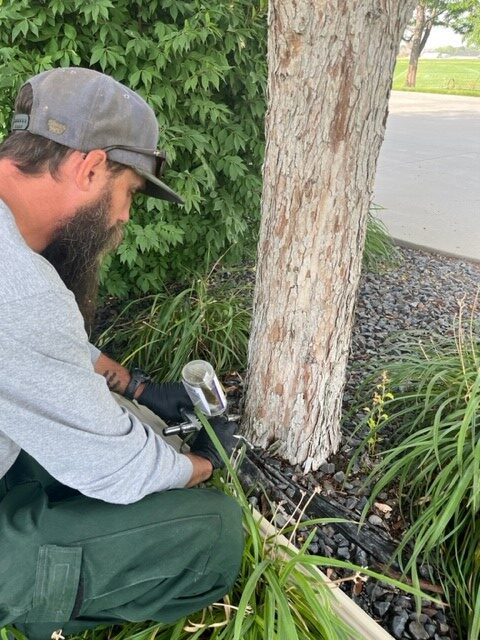
Professional Tree Diagnostics and Plant Health Care
The right recommendation starts with understanding the cause. We inspect the whole tree, consider the site around it and explain practical next steps.

Tree & Shrub Inspections
A root-to-leaf evaluation for symptoms, damage, developing health concerns and potential risks.

Tree Health Diagnostics
We work to identify the underlying cause of decline before recommending treatment, pruning or another course of action.

Pest & Disease Identification
Inspection helps distinguish pest or disease activity from look-alike symptoms caused by weather, site conditions or stress.

Tree Risk Assessments
We evaluate health, structural stability, decay, location, weather exposure and nearby people or structures.

Structural Issues
Trunks, major limbs, branch attachments, deadwood and visible defects are reviewed for concerns affecting stability.

Plant Healthcare
Proactive inspections, monitoring, prevention and timely recommended care can support long-term tree and shrub health.

Fertilization
Fertilization is considered within a broader plant healthcare plan and only when the tree and site indicate a need.

Preventative Tree Care
Routine monitoring can reveal gradual changes earlier, when more practical options may be available.
WHEN A TREE CHANGES
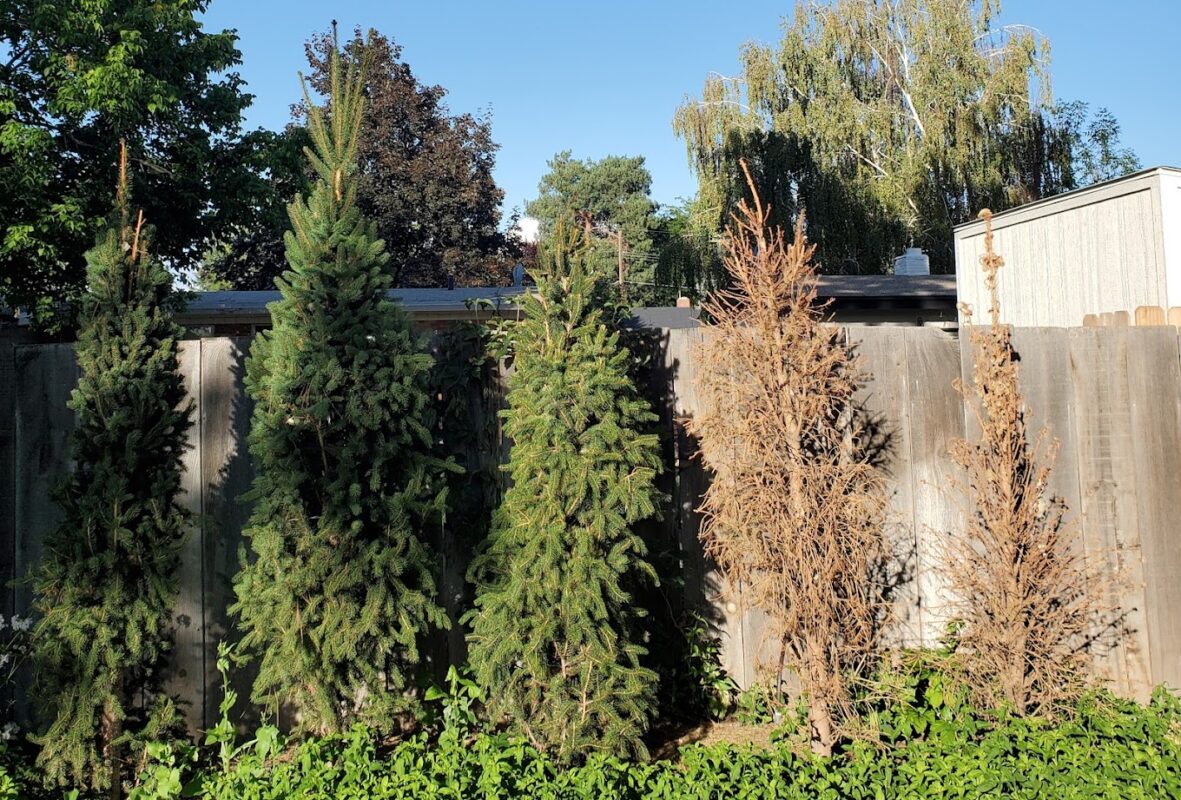
The symptom is a clue, not a diagnosis.
Thinning foliage, discoloration, premature leaf drop, dead branches, insects, decay or unusual growth can have different causes. The important part is determining why before deciding what to do.
Roots, trunk, branches and canopy
Leaf color, density and seasonal changes
Pests, disease indicators and abnormalities
Decay, cavities and structural concerns
Site conditions, weather exposure and surroundings
A Reputation Built on Results
What our customers say
SIGNS TO HAVE INSPECTED
Noticeable changes deserve a closer look.
Not every symptom means treatment - or removal - but changes in appearance, growth or stability are worth understanding.
◌
Foliage is thinning or changing color
Yellowing, discoloration, sparse growth or leaves dropping earlier than expected can signal stress.
×
Branches are dying back
Dead or deteriorating growth may point to health, damage or structural concerns that need evaluation.
△
Bark, trunk or roots look damaged
Cracks, cavities, decay, wounds or changes around the root area can affect health and stability.
↯
The tree changed after weather - or over time
A new lean, broken limb, storm damage or progressive decline should be assessed in context.
STRUCTURAL CONCERNS & 24/7 RESPONSE
Concerned about stability - or an immediate hazard?
A risk assessment considers tree health, visible defects, structural stability, location and what could be affected if a part fails. If a tree or limb has already failed or is hanging dangerously, call our 24/7 emergency line.
!
Act safely first
If a damaged limb is touching or near a downed power line, stay clear. Contact the utility provider and emergency services before approaching.
PLANT HEALTHCARE
Proactive care starts with an informed recommendation.
Plant healthcare may include inspections, monitoring, prevention, timely treatment and fertilization. Recommendations are based on the individual tree, the site and what the inspection reveals.
Monitoring & preventative care
Regular observation can catch meaningful changes earlier and help guide care before a concern becomes more difficult to manage.
Fertilization
When appropriate, fertilization can be considered as one part of a broader plant healthcare plan, not as an automatic treatment for every declining tree.
No one-size-fits-all treatment
Every tree and property is different. Living organisms cannot come with guaranteed outcomes, so we evaluate first and recommend care based on current conditions.
WHAT TO EXPECT
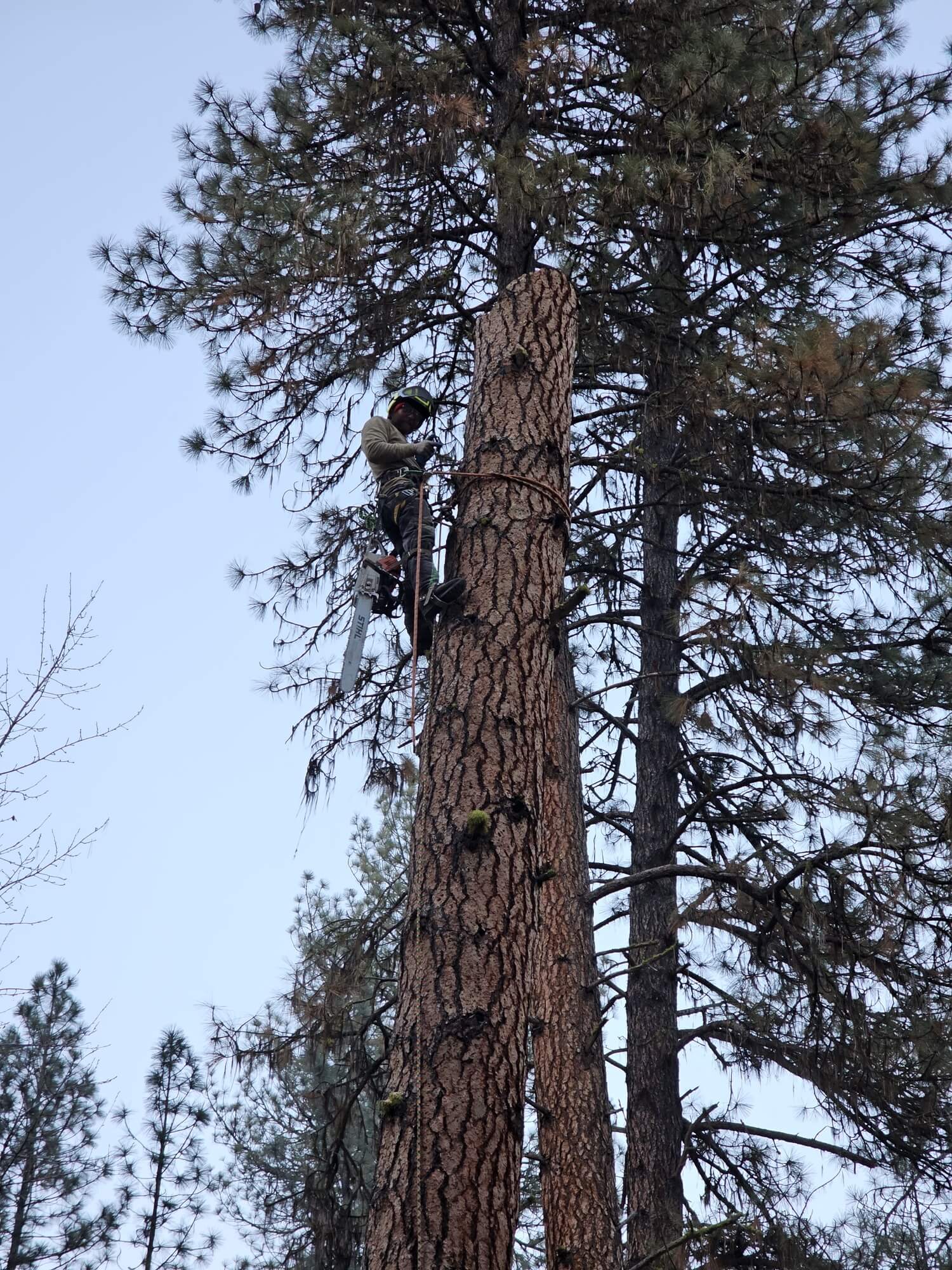
From inspection to a clear care plan.
Diagnostic findings guide what happens next. The recommendation is based on the tree, the site and the concern, not a predetermined treatment.
01
Schedule an inspection
Tell us what changed, when you noticed it and which trees or shrubs concern you.
02
Inspect the tree and site
We look from root to canopy and consider weather exposure, surroundings and nearby property.
03
Identify the concerns
Symptoms, structural defects, pests, disease indicators and potential risk factors are considered together.
04
Recommend next steps
That may mean monitoring, preventative care, treatment, pruning, fertilization or removal when necessary.
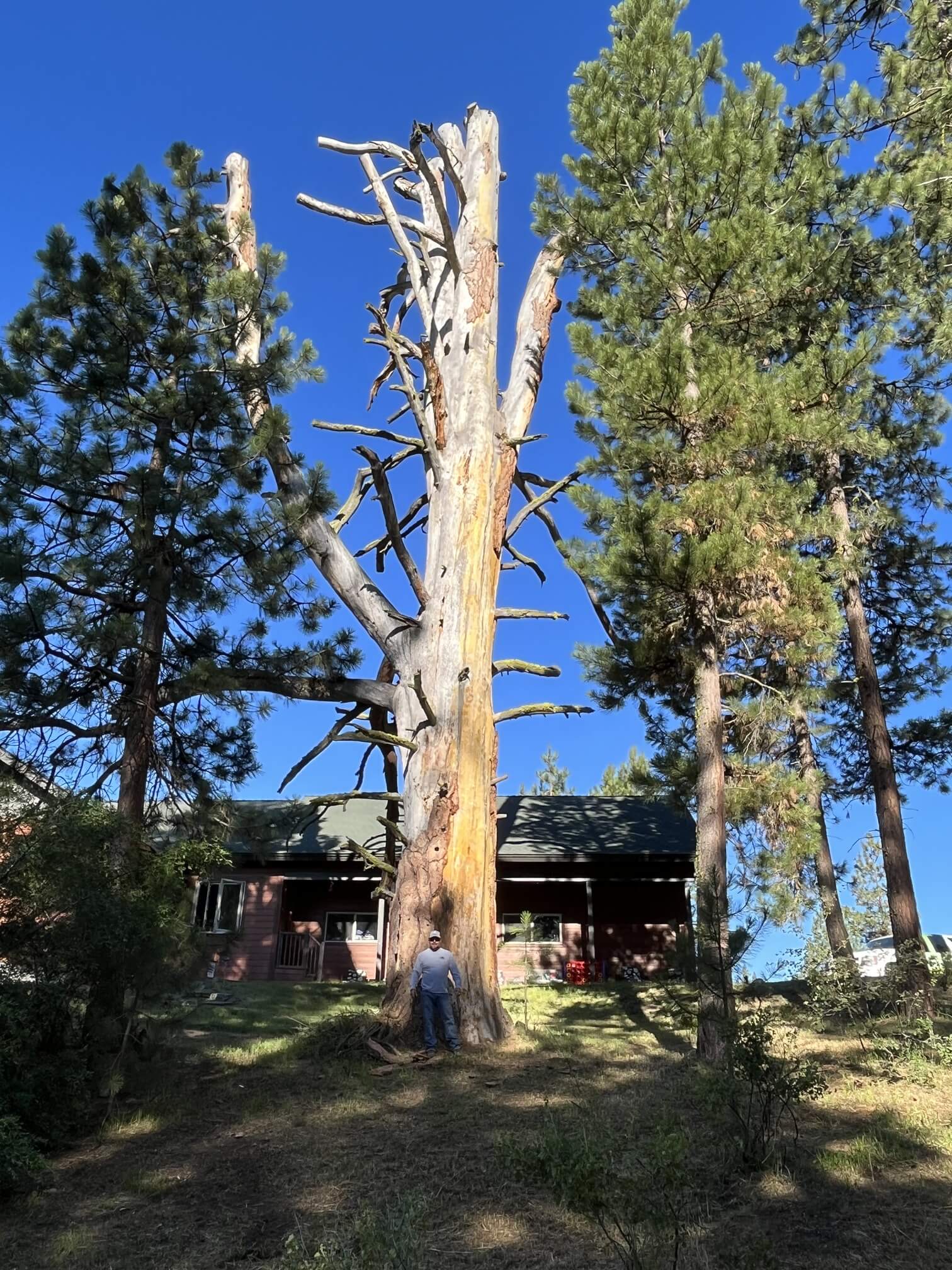
DIAGNOSE BEFORE YOU DECIDE
A struggling tree may have more than one path forward.
Decline does not automatically mean removal. Depending on the cause and condition, the appropriate next step may be monitoring, plant healthcare, pruning, fertilization or risk management. A professional evaluation helps narrow those choices.
Schedule a Tree EvaluationDIAGNOSTICS FAQ
Tree health questions
Clear answers about symptoms, risk, treatment and what an arborist can determine on site.
Still unsure? Call (208) 461-8733 to tell us what you are seeing.
What does a tree and shrub inspection include?
We evaluate the plant from root area to canopy, looking for health concerns, damage, pests, disease indicators, structural issues and potential risks. We also consider the site around it.
What warning signs should I watch for?
Watch for thinning or discolored foliage, early leaf drop, dead branches, unusual growth, insects, visible decay, bark or root damage, cracks, cavities, a new lean or storm-related changes.
Can you identify pests and tree diseases?
Yes. We inspect for pest and disease activity while also considering other causes that can create similar symptoms, such as weather, watering, soil or site stress.
What is a tree risk assessment?
It is a focused evaluation of tree health, structural stability, decay or disease, location, weather exposure and what could be affected if a part fails. The findings guide a risk-management recommendation.
Do you provide fertilization and plant healthcare?
Yes. When appropriate, recommendations may include monitoring, prevention, targeted care or fertilization. The plan is based on an actual evaluation rather than a one-size-fits-all treatment.
Can treatment guarantee a tree will recover?
No. Trees and shrubs are living organisms, so outcomes cannot be guaranteed. Our role is to identify concerns, explain the options and recommend reasonable preventative or corrective care.
Get a clearer picture of tree health.
Arrange an inspection for declining trees, pest concerns, or structural problems.